President Donald Trump has thrown down a serious ultimatum to Iran, insisting on a new nuclear deal or else facing “significant” military repercussions. He pointed to the deployment of a naval armada in the Middle East, warning that time is of the essence.
In response, Tehran brushed off the threats, highlighting past U.S. intervention failures while still expressing a willingness to engage in dialogue.
Trump Issues “Deal or Else” Warning to Iran
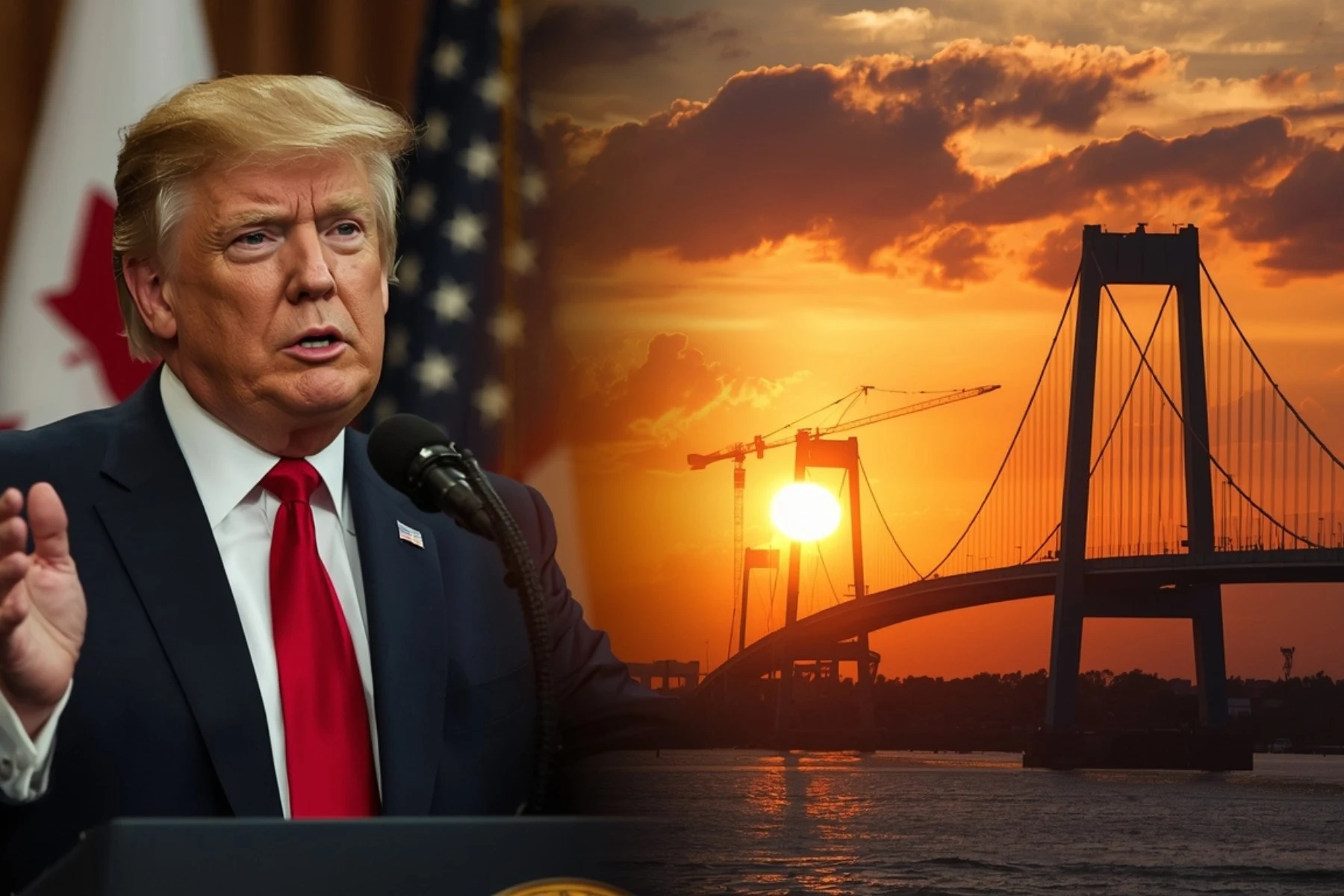
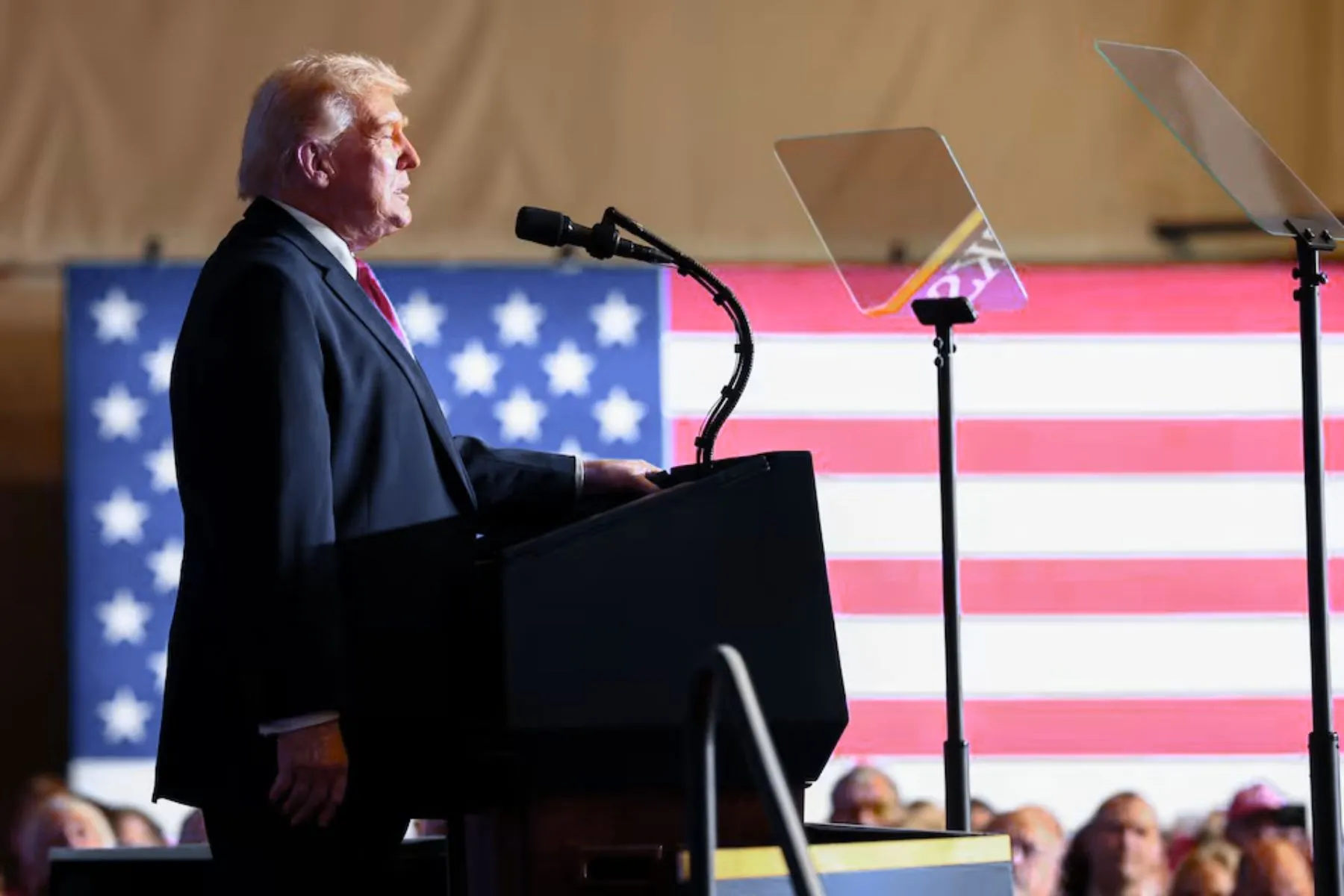
The diplomatic temperature in the Middle East just hit a boiling point. On January 28, 2026, President Donald Trump delivered a blunt message to Tehran: negotiate a new nuclear deal now, or prepare for a military response that dwarfs anything seen previously.
In a move that feels like a high-stakes sequel to his first-term foreign policy, Trump utilized social media to signal that the U.S. patience has limits. He isn’t just sending a strongly worded letter this time; he is sending a fleet.
The “Armada” Moves In
Trump confirmed the deployment of a U.S. naval task force—which he colorfully labeled an “armada”—toward the Middle East. This isn’t just a routine patrol. It serves as a physical exclamation point to his demand for renewed talks aimed at permanently halting Iran’s nuclear weapon development.
While the term “armada” might sound like something out of a history book, the intent is modern and clear: maximum pressure. Trump’s logic is simple—diplomacy works best when backed by a very large, very visible stick.
Context: A Rocky History
To understand why the White House is leaning into this “fast and furious” diplomacy, we have to look back. Trump reminded the world that his administration previously walked away from the 2015 multilateral nuclear accord.
He also noted that his past warnings weren’t bluffs, referencing previous U.S. airstrikes on Iranian targets. For Trump, the goal is a “better deal” than the original, which he has long criticized as insufficient.
Fact Check: The 2015 Joint Comprehensive Plan of Action (JCPOA) was designed to limit Iran’s nuclear capabilities in exchange for sanctions relief. The U.S. officially withdrew from this agreement in 2018.
Tehran’s “Thanks, But No Thanks” Response
Iran isn’t folding its hand just yet. The Iranian mission to the United Nations quickly condemned Trump’s rhetoric, labeling it as a repeat of past “bullying” tactics.
Iranian officials were quick to point out the high costs—both in blood and treasure—of previous U.S. military interventions in the region. Their stance?
-
Defense: They will protect their borders if pushed.
-
Dialogue: They are open to talking, but only if the U.S. shows “mutual respect.”
-
Status: There has been no recent engagement between the two sides.
Why This Matters for Global Stability
This escalating friction isn’t just a two-country spat; it affects global oil markets and regional security. By using the BLUF (Bottom Line Up Front) approach: Trump wants a signature nuclear deal and is willing to risk military escalation to force Iran to the table.
We are seeing a classic clash of geopolitical wills. On one side, a U.S. administration doubling down on “Peace Through Strength.” On the other, an Iranian leadership refusing to negotiate under the shadow of a naval fleet.