Breaking
Federal authorities have filed terrorism-related charges against a suspect accused of throwing an explosive device into a crowd of protesters in New York City, escalating the case into a major federal investigation.
Pam Bondi, the U.S. attorney general, confirmed that the U.S. Department of Justice has brought multiple terror-related counts against the individual believed to be responsible for the attack.
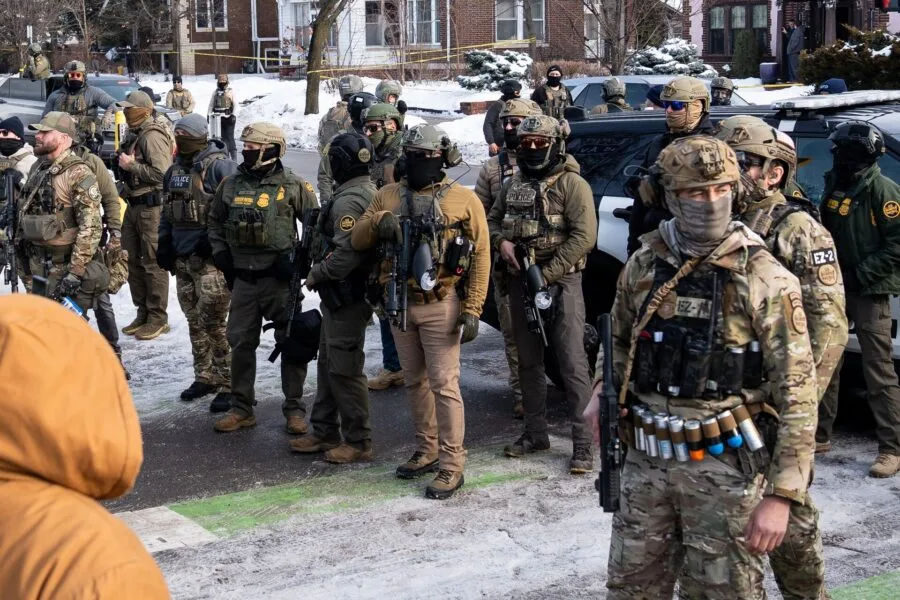
The incident took place during a public protest where demonstrators had gathered to criticize Islamic extremism and related political issues. According to investigators, the suspect allegedly hurled an explosive device toward the crowd, triggering panic as people rushed to escape while emergency responders moved quickly to secure the area.
Authorities soon launched a large-scale investigation that ultimately led to the suspect’s arrest and the federal charges now being announced.
Details & Background
Witnesses described a chaotic scene as protesters scrambled for safety and first responders rushed in to assess injuries and secure the location.
Because of the potential ideological motivation behind the attack, federal prosecutors stepped in to handle the case. When the U.S. Department of Justice pursues terrorism charges, it typically means investigators believe the act was intended to intimidate civilians or influence public policy through violence.
Attorney General Pam Bondi emphasized the seriousness of the case when confirming the charges.
She stated that federal authorities will treat the attack as a direct threat to public safety and to Americans exercising their constitutional rights.
“The Department of Justice will not tolerate acts of terrorism or violence aimed at intimidating Americans exercising their rights,” Bondi said while announcing the charges.
Officials have not yet released the complete list of charges. However, sources familiar with the investigation say the federal complaint includes several counts connected to terrorism statutes.
Investigators are also examining the suspect’s background, communications, and possible affiliations to determine whether the attack was coordinated with others or carried out alone.
Reactions
The attack quickly drew national attention, particularly because it targeted people participating in a public demonstration.
Public officials and civil liberties advocates alike emphasized that political disagreements must never escalate into violence.
Attorney General Bondi addressed the issue directly when discussing the case.
“When individuals attempt to use violence or terror to silence others, it strikes at the foundation of our freedoms,” she said. “Those responsible will be held accountable.”
Commentators across social media also reacted strongly, noting the seriousness of terrorism-related charges and stressing the importance of protecting peaceful demonstrations.
Local leaders in New York City echoed similar concerns, calling for vigilance and improved security around politically sensitive gatherings while maintaining protections for lawful protest activity.
Officials say the investigation remains active, and additional information could emerge as prosecutors continue building their case.
Why This Matters
The charges announced by the U.S. Department of Justice carry implications far beyond a single incident.
Violence targeting public gatherings threatens Americans’ ability to exercise their First Amendment rights — whether they are protesting, rallying, or speaking about political and religious issues.
When prosecutors pursue terrorism charges, it signals that authorities believe the attack was meant to intimidate a group of people or send a broader message through violence.
That classification often carries severe legal consequences, including enhanced penalties and expanded investigative authority.
For many Americans, the case highlights the delicate balance between protecting free expression and preventing acts of violence in public spaces.
Demonstrations have long been a cornerstone of civic participation, but incidents like this underscore the importance of maintaining strong public safety measures.
As the case moves forward through the legal system, prosecutors will need to demonstrate that the evidence supports terrorism charges and that the attack was intended to intimidate or influence others through violence.
The outcome could shape how similar cases are handled in the future when political or ideological conflicts spill into acts of violence in public spaces.