Conflicting accounts surrounding immigration enforcement shootings have renewed debate over transparency, accountability, and how federal officials characterize victims before investigations are complete.
In late January 2026, political tensions rose in the United States following the fatal shooting of Alex Pretti, a 37-year-old Minneapolis resident, by federal law enforcement agents during an immigration enforcement operation. Pretti, who worked as an intensive care nurse and was described by acquaintances as a U.S. citizen with no significant criminal history, was shot and killed on a city street during a clash involving federal officers.
Federal officials initially released statements characterizing the encounter as a defensive action, stating that agents attempted to disarm an individual believed to have approached with a firearm. The administration indicated that Pretti was armed and that officers responded out of concern for their safety. President Donald Trump noted that the incident was under review but did not directly confirm whether the shooting was justified.
However, early video footage and witness accounts circulated publicly provided differing details. Bystander recordings showed Pretti holding a device that appeared to be a mobile phone immediately before he was restrained by officers, and some witnesses have stated that he did not brandish a weapon at the time of the encounter.
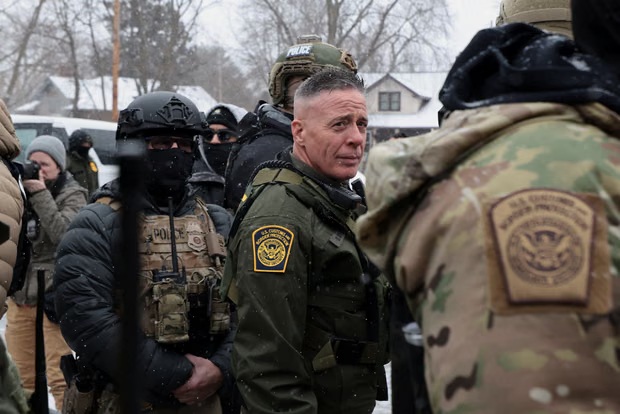
The incident drew immediate and widespread reaction from political leaders. Members of both major U.S. political parties called for an independent investigation into the circumstances of the shooting and federal enforcement practices more broadly. Some lawmakers expressed concern about transparency and the use of force, and discussions emerged about potential legislative action that could affect federal authorization and funding for immigration enforcement agencies.
The shooting also reverberated beyond political forums, prompting public demonstrations and debates across the country about law enforcement accountability, civil rights, and immigration policy. In several cities, community members and advocacy groups held protests and vigils, calling for clarity on the sequence of events and urging federal cooperation with local authorities in reviewing the case.
As reactions continued to unfold, national attention remained focused on how federal and local officials would address the diverging narratives and what actions, if any, would be taken in response to calls for further inquiry.